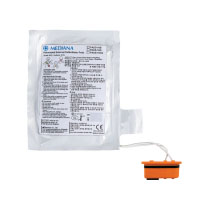
Defibrillator Pads
Defibrillator pads are a vital consumable for every AED to ensure fast, reliable and effective treatment during cardiac arrest. This section brings together our full range of adult, paediatric, and dual‑use defibrillator pads, helping you choose the right replacement pads for your device with confidence.
- Adult pads — suitable for patients aged 8+, featuring full‑size electrode placement for optimal coverage
- Paediatric pads — designed for infants and children under 8 years or under 25kg, reducing shock energy to a safe level
- Dual‑use pads — flexible options that can be used across age groups, ideal for environments with mixed‑age footfall
We stock genuine, manufactured approved defibrillator pads for all major brands that have been fully tested to ensure strong adhesive backing and dependable gel quality for accurate shock delivery. Whether your defibrillator is in a workplace, school, or in a community venue, keeping your defibrillator pads in date is essential for compliance and readiness. Explore the full range below:
Read more about defibrillator pads...
What are defibrillator pads and why are they important?
Defibrillator pads are single‑use adhesive electrodes that connect a patient to an AED, allowing the device to analyse heart rhythm and deliver a shock if required. Using in‑date, manufacturer approved pads ensures accurate monitoring and safe shock delivery. Explore our full range of defibrillator pads for all major AED brands.
How long do defibrillator pads last?
Most pads have a shelf life of 2 - 5 years, depending on the manufacturer. The expiry date is printed on the packaging and must be checked regularly. Expired pads may not adhere properly or conduct electricity effectively. Browse replacement pads to keep your AED ready for use.
What is the difference between adult and paediatric defibrillator pads?
Adult pads are designed for patients aged 8+ and provide full‑size electrode coverage.
Paediatric pads reduce shock energy to a safe level for infants and children under 8 years or under 25kg.
Can I use adult pads on a child?
Adult pads can be used on a child but should only be used if paediatric pads are not available. This is because the shock energy / output delivered will not be reduced. If it is necessary to use an AED with adult settings on a child, the pads should be placed one on the front of the chest and one on the back. For schools, nurseries, and public access, we recommend keeping paediatric pads available.
What are dual‑use defibrillator pads?
Dual‑use pads are compatible with both adults and children, making them ideal for locations with mixed‑age footfall such as community centres, gyms and public venues. They simplify stock management and reduce the need for separate pad sets. Defibrillators that are compatible with dual-use pads will typically feature a mode button to change patient type.
Are defibrillator pads universal?
No, defibrillator pads are brand specific and must match your AED model. Using incompatible pads can prevent the device from functioning. Each product page includes clear compatibility guidance. If you’re unsure, speak with our customer service team for help with AED compatibility.
How should defibrillator pads be stored?
Defibrillator pads should be kept securely, either inside the case or cabinet with your defibrillator, or in a safe temperature controlled room, away from extreme temperatures and moisture. Avoid bending or creasing the packaging. For public access defibrillators, consider a monitored cabinet to maintain optimal conditions. Explore AED storage options.
Do I need to replace pads after every use?
Yes, defibrillator pads are single‑use and must be replaced immediately after deployment, even if no shock was delivered. You should also check the battery status and re-stock any accessories used during the emergency. Order replacement pads to stay prepared.
Do defibrillator pads come with instructions?
Yes, every set includes clear placement diagrams and step‑by‑step guidance printed directly on the pads. Many AEDs also provide voice prompts to assist during an emergency. Learn more about AED operation.